Tuesday, February 26, 2013

The Truth About Canine Devocalization

An Open Letter to New York State Legislators

Re: A1204 (Zebrowski)/S2271(Grisanti) “restricts the performance of devocalization procedures on dogs and cats”


OPPOSE

Dear Members of the New York State Legislature:

The Dog Federation of New York is a not-for-profit coalition of individual dog owners and dog-related organizations committed to responsible ownership, with a membership that spans the State of New York. Our members are animal shelter volunteers, dog trainers, pet owners, purebred dog breeders and exhibitors, animal control officers, and animal lovers. We are committed to helping public officials respond appropriately to the concerns we all share, including providing for the public’s health and safety while addressing concerns on animal welfare issues.

We write to express our strong opposition to the above-captioned proposal and our grave concerns regarding the damage enactment could do to the lives of caring dog owners and their pets.

The people of the State of New York deserve laws based on facts, and legislative proposals should correct shortfalls in existing law in order to safeguard public safety. Sadly, A1204 appears to be based on internet rumor and would subject both dog owner and licensed veterinarian to severe sanctions and penalties for a simple, humane and even life-saving procedure.

Contrary to the tall tales circulated by individuals who choose not to understand, bark softening or canine devocalization is a minor, humane procedure accomplished by licensed veterinarians. It is an unusual measure occasionally used as a last resort by dog owners desperate to prevent uncontrollable, loud and frequent barking which has become an issue with their neighbors and within their communities.

We note that the published policies of the American Veterinary Medicine Association do not support regulatory meddling in responsible veterinary care decisions such as the measures proposed by A1204.

The Dog Federation of New York always encourages dog owners to be sensitive to the concerns of their neighbors and community. When all other measures have failed, "bark softening" may be the last option for dog owners struggling to keep a beloved pet in their home, and out of over-burdened shelters which may have no choice but to kill a dog that simply barks too much.

Thank you for your consideration.

_____________________________

Note to concerned dog owners:  We encourage you to immediately contact your New York State Assemblymember and Senator to express your opposition to the above proposal.  We are happy to make this flyer available to assist you in your discussions.

Text of the proposal:  click here


Sunday, January 20, 2013

Will the Animal Rescue Community Step Up?

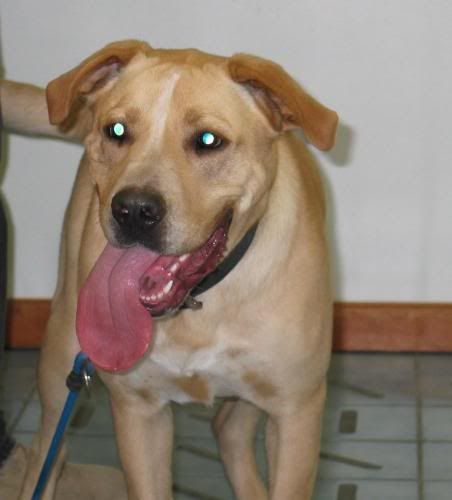
"Duke" needs help now

[following written by DFNY member Susan Beals]

I volunteer at a small shelter in a small city in upstate NY.  I am very lucky in that it is a VERY good shelter.  They consider themselves to be no-kill, and they do not euthanize for space, or convenience or just because they can.  But they also consider that they have a duty to the public to make sure the dogs they adopt out are truly adoptable – safe to be in the community.

Now,  this is a small shelter in a small city in a largely rural area.  They are not tied in to the rescue communities active in the large cities.  As a no-kill shelter, they have a small network of local volunteers and foster homes.  And they have good volunteers and good foster homes, but they don’t have anyone with the skills to handle the doofus in the picture above.  Their volunteers and foster homes work with dogs that have medical issues, or puppies and kittens found abandoned and too young to wean, or animals that need to learn how to live in a home with a family.  They don’t work with 100 pounds of untrained, mannerless, anxious adolescent.  30 pounds – sure, 60 pounds – maybe, but 100? 

So where does this shelter, with its limited contacts and its limited resources, find a rescue or a volunteer rehabber for this dog?  According to last year’s version of CAARA it is up to the shelter to make that happen.  Who knows what this year’s version will say?  But in any case, it is not a do-able thing for this shelter.  I sent an email a couple of days ago to a man who writes a blog talking about his rescue activities in and around New York City, asking for suggestions.  Maybe he doesn’t check his email very often, but I haven’t heard back yet.  What else, Rescue Community, do you suggest I do on behalf of this dog.  Where do I find him the placement he needs before the shelter director has to decide that he has been given all the time and resources they have for him?

I do believe this dog is savable.  He came in as a stray, so we have no idea of his story, but based on working with him over the past several weeks I can come up with a scenario that describes how to get a dog with the behaviors he exhibits.  Imagine, if you will, a college student with his first off-campus apartment who goes to visit his girlfriend’s parents.  Their dog has a litter of 5 week old puppies and he takes one back to his new apartment – an apartment with 4 other 19 or 20 year old phys ed major boys.  The puppy is cute and they have a lot of fun with him.  They like it when he wrestles and they never teach him to keep his teeth off the humans.  They play with him, and they wrestle with him, and they never calm him down – always escalate.  No one trains him, or teaches him how to behave or how to be calm when people are around.  No one pets him – any touch leads to a physical game.  They play stupid college jokes on him.  And then one day they realize he is 100 pounds and completely unmanageable so they drive him somewhere and dump him out of the car.

I’ve been working with him for 3 weeks, and there is a good dog in there.  But an hour once a week is not going to bring that good dog out.  He needs a foster situation with daily skilled interaction and clear, consistent rules and expectations.  I can’t do it.  The shelter can’t do it.  The volunteers and fosterers for the shelter can’t do it.  The shelter is deciding his fate next Thursday and right now it’s not looking good. 

This is exactly the situation that CAARA is supposed to be there for.  So come on, Rescue Community, put your money where your mouths are and help THIS dog.

Tuesday, August 14, 2012

Dog Federation of NY on Proposed Change to APHIS Regulations: OPPOSED!

Re:  Docket No. APHIS-2011-0003 Animal Welfare;
Retail Pet Stores and Licensing Exemptions

OPPOSE

To Whom It May Concern:

The Dog Federation of New York is a not-for-profit coalition of individual dog owners and dog-related organizations committed to responsible ownership with a membership that spans the State of New York. Our members are animal shelter volunteers, dog trainers, pet owners, purebred dog breeders and exhibitors, animal control officers, and animal lovers. We are committed to helping public officials respond appropriately to the concerns we all share, including providing for the public’s health and safety while addressing concerns on animal welfare issues.

The rate of pet ownership is at an all-time high in the United States and a strong majority of citizens are pet lovers, based on the estimated 62% of households which include at least one pet animal. The most common pet, of course, is the family dog. The growth of the pet industry continues to significantly outperform many sectors of the national economy. Despite the recession, Americans spend record-breaking amounts of money on their pets.

In short, we are a nation of dog owners and pet lovers, and our desire to obtain and live with pet animals shows no sign of abating.

Prospective purchasers currently enjoy a range of responsible sources for pets, including small “hobby” or non-commercial breeders, shelters and rescues, and pet retailers. The Dog Federation of New York believes that it is vital to the public interest to support and encourage lawfully conducted and humane breeders and retailers and to resist efforts to unreasonably curtail the supply of healthy pet animals to families in our country.

We write to express our opposition to the above-captioned proposal and our concerns regarding the damage implementation could do to the lives of caring animal owners and the pets they love by pointlessly and counter-productively suppressing the responsible breeding and sale of pet animals through over-reaching and poorly-considered regulation.

Such regulation will only further restrict public access to healthy pets.

Click here to continue reading.

Friday, June 22, 2012

For the Rescue Community: Aphis/USDA Implications

As a follow-up on the likely impact of proposed new rules for a host of pet and animal suppliers, DFNY encourages members of the rescue community to carefully consider the ramifications of USDA regulation on the activities of shelters and rescues if and when the federal government includes them within the scope of the Animal Welfare Act, USDA regulation and APHIS enforcement.

Not just a problem for "breeders."

The author of this essay, and the earlier one posted below, is Susan Beals.

Monday, June 04, 2012

APHIS, USDA Regulations and YOU

If you pay any attention to internet lists, you may have seen a big flap that started in the middle of May about the new USDA proposed regulations. Well, it is a big deal. Federal regulation impacting your ability to own pets is something you need to understand, form an opinion about, and then submit a comment to USDA during the public comment period. You should also send copies of your comments to your senators and to your congressional representative. If you own pets and want to continue to be able to own the pets of your choice – all pets, not just dogs or cats – you can’t just let this one slide and expect someone else to take care of it for you.

First a little history.

 USDA (United States Department of Agriculture), in the person of its enforcement arm APHIS (Animal and Plant Health Inspection Service), has been responsible for the administration of the rules and regulations written to enforce all of the various animal welfare acts beginning with the Laboratory Animal Welfare Act passed in 1966 to the Animal Welfare Act of 1976 and the Food Security Act of 1985. As part of this enforcement, APHIS has been responsible for the licensing and inspection of anyone who, for compensation, acts as a broker or dealer of animals, or operates an auction house, or transports animals, or uses animals in an exhibition such as a zoo or rodeo, or operates a research facility using animals. In other words, APHIS has primarily been concerned with animal wholesalers, exhibitors and researchers. All of these people or businesses or organizations have been required to be licensed and to meet minimum standards for care and treatment of their animals and to comply with the other regulations written for enforcement of these Animal Welfare Acts for many years – those standards being enforced by APHIS through regular inspections of records and property.

The regulations to which we have all been subject since at least 1971 do contain some exceptions. If a person or company meets the exception, they are exempt under the federal law and are not required to be licensed or inspected by APHIS. The current exemptions are for:

1. Retail pet stores that sell nondangerous, pet-type animals at retail only;

2.  A person who receives no more than $500 gross income from the sale of animals (not including dogs, cats, or wild or exotic animals) in the course of a year, no matter whether they are sold wholesale or retail;

3. A person who maintains no more than 3 breeding female animals and sells only their offspring born and raised on the person’s premises for pets or exhibition;

4. A person selling less than 25 dogs or cats in a year for research, testing or teaching, or to a research facility;

5. A person arranging transportation of animals solely for purposes of breeding, purebred showing, boarding, grooming or medical treatment;
6. A person who buys, sells or transports animals only for the purposes of food or fiber;

7. A person who breeds and raises domestic pet animals for direct retail sales to another person for the buyer’s own use (e.g., a purebred dog or cat fancier); or

8. A person who buys animals solely for his own use or enjoyment.

Continue reading by clicking HERE

Monday, August 01, 2011

Dog Federation of New York Announces Results of First Study of NY Pet Dealers

Strong Majority of Licensed Pet Stores and Breeders Comply
with Animal Welfare Mandates

New York, NY – August 1, 2011: The Dog Federation of New York (DFNY), a not-for-profit statewide coalition of individual dog owners and dog-related clubs and organizations committed to animal welfare, announced today completion of their first analysis of inspection records of licensed New York State pet stores and non-residential breeders referred to as “pet dealers” under state law. With a growing effort from radical animal rights activists in New York and nationally to permanently close all pet stores and submit dog and cat breeders to overly-burdensome regulation, the findings are of particular importance to New York’s elected officials. Copies of the study will be made available to public officials.

Because elected officials may have few facts and little more than Internet rumor on which to base their deliberations, the Dog Federation of New York will offer relevant sections of its database to Suffolk County legislators. Earlier this summer, Suffolk County considered a proposal sponsored by Legis. Jon Cooper which would have closed most pet stores in the county by prohibiting the retail sale of dogs under the age of one year. The proposal has since been withdrawn.

A key finding of the DFNY study of calendar year 2009 showed that during regular annual inspections statewide, very few infractions cited by inspectors involved the hands-on care of animals. Other than a failure to renew pet dealer licenses on time, a whopping 82.1% of inspections statewide identified no short-comings during regular annual inspections.

A “critical” violation with the potential to immediately impact the health or safety of animals was identified in 7.8% of annual inspections conducted of each pet dealer in New York State. Only one New York pet dealer was cited for more than one critical violation during a regular annual inspection in 2009.

"This study is an important first step in establishing a fact-based picture of licensed New York pet dealers, kennels and catteries. Our data provides real information for animal lovers and public officials who may be unfamiliar with requirements and levels of compliance,” commented Dog Federation of New York spokesperson Mahlon Goer. “While there were pet dealers with unacceptable conditions of care, and such facilities must be brought into compliance with the law immediately, we believe New Yorkers will be surprised with the generally high level of compliance with our laws designed to protect the welfare of animals held by pet dealers.”

The Dog Federation of New York obtained records from the New York State Department of Agriculture and Markets (NYSDAM) covering each of the 571 annual, “special” and re-inspections of pet dealers conducted by NYSDAM in 2009. Analysts examined each inspection report, tabulating identified strengths and weaknesses, levels of compliance with regulations designed to safeguard the health and safety of animals, and probing areas of apparent shortfall. Licensed pet dealers include pet stores and some dog and cat breeders selling animals directly to the public in New York State.

NYSDAM inspects licensed pet dealers at least once a year to assure compliance with state laws governing housing, sanitation, food and water, and veterinary care for animals in the care of pet dealers. In addition to regulations designed to safeguard the welfare of animals, New York pet dealers must also comply with requirements for record keeping and documentation, and provide their customers with consumer rights notices and other educational materials.

“Protecting the welfare of pets is a concern we all share, whether the animals reside in private homes, institutions such as shelters and rescues, or in the care of pet dealers. We hope our data will contribute to an informed understanding of the licensed, inspected New York pet dealers in our communities.”

About the Dog Federation of New York:

The Dog Federation of New York is a statewide coalition of dog clubs and organizations that serves the public interest by educating citizens and legislators on responsible dog ownership and advocating for strong, and humane dog-related legislation. The Dog Federation of New York welcomes all dog owners and dog-related organizations in New York.

Wednesday, July 20, 2011

Syracuse Animal Hospitals Receive Commendations from Dog Federation of New York

Syracuse Animal Hospitals Celebrated for Rescuing Kittens in Desperate Need

The Dog Federation of New York (DFNY) today issued letters of commendation to the staffs of the Fairmount Animal Hospital and the True Blue Animal Hospital of Syracuse. Employees at the two area veterinary facilities responded compassionately to the dire needs of abandoned kittens found nearby. Their hard work and commitment to the welfare of animals saved the lives of the young kittens apparently left alone in an area park.

Kittens as young as the ones rescued by the animal hospitals require round-the-clock attention and must be fed every three hours. They are given a special formula to compensate for the loss of their mother’s milk.

“On behalf of animal lovers everywhere, we want to express our gratitude to the staffs of the Fairmount and the True Blue Animal Hospitals,” commented DFNY spokesperson Mahlon Goer. “Without their dedicated efforts and commitment to animal welfare, these kittens would have died.”

“It is important to celebrate the compassion and commitment to animals we all share, whether we’re dog owners or cat fanciers,” she continued. “So often everyday pet owners and animal lovers don’t hesitate to respond to an animal in need, and they go unrecognized. It is a pleasure to commend the staffs at these animal hospitals, as well as the many volunteers and donors who support them in their efforts.”

Permanent homes have been found for some, but not all, of the kittens. People who would like to add a kitten to their families should contact the hospitals for further information.

Tuesday, July 05, 2011

Opposing the Proposed Ban on Retail Sale of Dogs in Suffolk County

an open letter to Suffolk County legislators

July 5, 2011

Hon. William J. Lindsay
Presiding Officer
Suffolk County Legislature
Smithtown, New York

Subject: IR 1545 – 2011 (Cooper) -- OPPOSE

Dear Legislator Lindsay:

The Dog Federation of New York is a coalition of individual dog owners and dog-related organizations committed to responsible ownership, with a membership that spans the State of New York. We are pet owners, dog trainers, animal control officers, breeders and exhibitors, and animal rescue volunteers. Our diverse membership is committed to helping New York legislators respond appropriately to the concerns we all share, including providing for the public’s health and safety while addressing concerns on animal welfare issues.

We write to express our opposition to the provisions of the above proposal, and to urge that the bill be held for further consideration. Based on misinformation and internet rumor, and backed by national animal extremist organizations, IR 1545-2011 would interfere with interstate commerce, violate state law pre-empting localities from regulating the sale of dogs, and essentially make Suffolk County responsible for the establishment of unfair trade practices.

Suffolk County is already saddled with a radical animal rights-driven and highly questionable “animal abuser” registry which, with no demonstrable effect on the prevention of crimes against animals, deprives Suffolk residents of their right to equal protection of the law and appears to unlawfully gift public monies generated pursuant to a public law to a private corporation.

With a stated goal of addressing unnecessary euthanasia in animal shelters across the country, IR 1545-2011 would further expose local residents and taxpayers to additional violations of their constitutional and civil rights, and the expense of defending the County in court when the law is inevitably challenged.

The best information available indicates that animals from pet stores rarely contribute to shelter populations. A study published by the National Council on Pet Population, whose membership includes the ASPCA, the American Humane Association and the American Veterinary Medicine Association, found that dogs purchased from pet stores constitute just 3.9% of shelter populations. Since this best estimate of pet store contribution to shelter populations is less than 4%, it follows that the power of this proposal to reduce shelter euthanasia rates is minimal at best. Furthermore, euthanasia rates have fallen dramatically since the mid-1970’s and continue to steadily decline without the intervention of radical proposals like IR 1545.

Far from focusing on its stated goal, the unsubstantiated and highly prejudicial rhetoric included in the proposal implies that every licensed, inspected and lawfully operated pet store in Suffolk County furthers the crime of cruelty to animals. IR 1545 has already discouraged potential employers from opening new businesses in Suffolk County, and it jeopardizes the existence of responsibly and humanely operated pet stores which have been landmarks in their community for many, many years.

Because the dynamics of animal shelter populations and related euthanasia statistics have been significantly misrepresented by IR 1545-2011, we have prepared the attached fact sheet .in which we also reference the comprehensive requirements placed on licensed dog breeders and retailers by both the USDA and the State of New York – requirements which are completely and conveniently ignored by the proposal.  [note:  click here for fact sheet]

To reiterate, the members of the Dog Federation of New York believe that all responsible owners of animals share a concern for the well being of pets and livestock. Under the law, we are all explicitly required to provide for their welfare and should be held accountable if we fail.

However, our concerns cannot drive us to uselessly surrender the protections of our civil liberties that the U. S. Constitution and the laws of the State of New York afford and shutter responsibly-operated businesses which enjoy the support of their customers and community.

Our publically elected officials are sworn to uphold our constitutional rights and protect us from violations of our civil liberties. We trust that Suffolk County’s legislators will join us in opposing IR 1545-2011.

Thank you for your consideration.

Additional note to readers
If you would also like to contact the Suffolk County legislators with your concerns about Leg. Cooper's IR1545-2011:
Text of the proposal:  click here
Contact info for legislators:  click here
DFNY press release:  click here
Fact sheet for legislators:  click here

Monday, June 27, 2011

Suffolk County Legislature Mulls Controversial Scheme to Ban Sale of Dogs by Retailers

For immediate release

Dog Federation Of New York rejects County Legislator Jon Cooper’s strategy as based on animal extremism, misinformation and distortion of facts

New York, NY:   The Dog Federation of New York (DFNY) is calling on dog owners throughout New York State to reject Suffolk County Legislator Jon Cooper’s plans to work with animal rights extremists to prohibit the sale of dogs by local retailers, violate the privacy of residential hobby breeders, and endanger well-managed small businesses providing pets to Suffolk County families. Cooper cites concerns regarding the number of animals euthanized in shelters across the country as motivation for his proposed local law.

According to comments published in the North Shore Sun, Cooper accuses every pet store in Suffolk County of obtaining dogs from abusive, illegally operated “puppymills.” The term “puppymill” is an emotionally-charged and prejudicial characterization used by animal extremists who oppose pet and animal ownership of any sort. Illegal and cruel conditions are implicit in the usage.

Mr. Cooper’s “proof” that the dogs offered for sale by small business owners in Suffolk County are the victims of cruelty hinges on the location of their birth. If the dog was born in Missouri, Mr. Cooper reasons that the dog is the product of abuse. If the dog was born in Suffolk County, it is not.

Dogs identified in the press as “puppymill dogs” are routinely imported into New York from distant locations and offered for sale to the public in large numbers by many shelters and animal rescues, including several in Suffolk County. The conditions of care provided to such animals are generally not subject to inspection by New York State or the USDA, and the interstate transport of such dogs is largely unregulated. Pet lovers were recently horrified to read of the deaths due to suffocation of dogs being transported from Georgia to New York for an event sponsored by Best Friends Pet Care of White Plains.

By contrast, pet stores licensed in New York State are inspected at least once a year for compliance with comprehensive standards of care, as are USDA-licensed dog breeders.

"We are deeply concerned about Leg. Cooper’s motives and his grasp of the facts. His association with extremist groups such as the Animal Legal Defense Fund is troubling," stated DFNY spokesperson Mahlon Goer.

DFNY responsible dog ownership
classes in Town of Huntington
The best information available indicates that dogs from pet stores rarely contribute to shelter populations. A study conducted by the National Council on Pet Population Study and Policy indicates that only 3.9% of dogs in shelters come from pet stores.

“In these hard times, if Leg. Cooper wants to join the Dog Federation of New York in working to address the problem of animals needlessly dying in shelters, his focus should be on increasing pet retention through proactive support for pet owners struggling with economic and other issues. Shutting down lawfully and responsibly operated small businesses doesn’t help anyone and it will not reduce shelter populations.”

“Sadly, Leg. Cooper is choosing to exploit the complex and difficult issue of shelter euthanasia to grab headlines and gain political support by using inflammatory statements and false, misleading information”. Ms. Goer further stated, “It is important that we further the goals of animal welfare with laws based on facts. Leg. Cooper consistently has used misinformation as a calculated means to heighten public fears and misunderstanding, along with employing provocative language and negative stereotypes."

“We want to make sure that New York remains the most dog-friendly place in the world”, said Ms. Goer. “Extreme proposals designed to punish small businesses and favor other suppliers of pets in the marketplace should never be a part of life in any county in New York.”


About the Dog Federation of New York

The Dog Federation of New York is a statewide coalition of dog clubs and organizations that serves the public interest by educating citizens and legislators on responsible dog ownership and advocating for strong, and humane dog-related legislation. The Dog Federation of New York welcomes all dog owners and dog-related organizations in New York. On the web at http://www.dogfederationofnewyork.org/

Text of IR 1545-2011 (Cooper):  Click here

Contact information for Suffolk County legislatorsClick here

Attend the next public hearing on August 2!  for directions, click here

Tell the truth!  Fact sheet for Suffolk County legislators:  Click here

Sunday, February 13, 2011

Dog Federation of NY Urges Repeal of NYC 10/2011
Prohibiting Humane Restraint of Animals

NYC law will impact city residents, events venues and visitors alike

Following news that on February 1, 2011 Mayor Michael Bloomberg signed Int. 425A creating New York City Local Law 10/2011, the Dog Federation of New York calls upon dog and animal lovers everywhere to join DFNY in urging the City Council to set the ordinance aside in its entirety.

Backed by some of the most extreme animal rights organizations in the country, Councilman Peter Vallone Jr.'s poorly considered, poorly drafted ordinance appears to criminalize a number of standard, ordinary practices exercised daily by caring and responsible pet and animal owners. Due to the vague language of the law, visitors and city residents alike will be unable to determine if the many prohibitions and limitations apply to them.

Among the new law's many flaws, it appears that families bringing their dog to the park for a picnic are prohibited from tying the dog's leash to a bench or picnic table while they enjoy their meal.


Because the language of the new law absolutely prohibits the use of "choke" collars for dogs under any circumstances, it jeopardizes the many purebred dog shows which take place each year in New York City, including the Westminster Kennel Club show at Madison Square Garden. Limitations on permissible restraint methods also threaten popular equestrian events, such as the Lipizzaner Stallion shows which also take place at Madison Square Garden.

Because the restrictions, limitations and prohibitions of standard and humane practices apply to all "animals", DFNY fears that circuses, rodeos -- possibly even the City's renowned Bronx Zoo -- may all be negatively impacted.

Local law 10/2011 empowers a host of unauthorized and unqualified individuals to enforce its prohibitions, which may entangle the city in expensive, unnecessary lawsuits.

Most bizarrely of all, the convoluted wording of the law may be interpreted as a prohibition against walking a leashed dog beyond the perimeters of the owner's property.

Many will remember Councilman Vallone's failed attempt to ban
"pit bulls" from the City of New York. PeTA, the radical animal rights organization that calls mothers who serve milk to their children "abusive" and whose members appeared at a Westminster Kennel Club show dressed in the white robes of the Ku Klux Klan, backed both Vallone's "pit bull" proposal and the new law, and testified in its favor.

Another key supporter was the Humane Society of the United States, an organization now under investigation by the Internal Revenue Service for excessive lobbying practices. A "humane" organization in name only, in 2008 HSUS expended less than one half of 1% of its budget on the hands-on care of animals in need. Patrick Kwan of HSUS testified in favor of the Councilman Vallone's proposal.

The best research available on the subject of tethering comes from Cornell University, and indicates that the proper tethering of dogs is a humane and responsible method of restraint. Neither the American Veterinary Medicine Association (AVMA) nor the Centers for Disease Control (CDC) support anti-tethering initiatives. DFNY urges dog and animal owners to exercise caution and adequate supervision, regardless of the restraint method they choose.

Int. 425 was hastily amended in the Committee on Health only three hours before it was passed by the City Council, giving the public no opportunity to review the new text. It appears that no representatives for responsible pet and animal owners and other stakeholders were notified or consulted during the drafting of the proposal. In reading the transcript of the minutes of the January 18th meeting during which this measure was passed, it is obvious from the comments of the council members that the proponents of this local law were somewhat disingenuous in their explanation of its effects and ramifications to their colleagues.

In these difficult times, in which so many New Yorkers struggle to keep their jobs and feed their families, the Dog Federation of New York deeply laments the waste of public funding involved in the consideration of Councilman Vallone's flawed proposal. The potential loss to the local economy if so many dog and other animal shows and events leave New York City is huge.

The members of the Dog Federation of New York believe that all responsible owners of animals share a concern for the well being of pets, work companions and livestock, and we support legislation and legislators that further the goals of animal welfare advocacy. However, by unreasonably restricting humane restraint through irresponsible language, it is clear that New York City's new local law will do far more harm than good.

We encourage caring pet and animal owners everywhere to contact the members of the New York City Council and Mayor Bloomberg to express their shock and deep concern, and to advocate a repeal of Local Law 10/2011 in its entirety.


UPDATE March 2, 2011: Councilman Vallone recently addressed one of DFNY's criticisms, although his comments gravely concern us. DFNY questions his understanding of the new law.

Our members prepared a more detailed analysis of New York City's deeply flawed new law. DFNY continues to urge NYC residents as well as dog and animal lovers everywhere to join us in asking the New York City Council to repeal 10/2011 in its entirety.


Saturday, August 14, 2010

Criminalizing Veterinary Procedures Across the State of New York

A11684 outlawing humane bark softening will kill dogs

On August 4, 2010, Assemblymember
Kenneth Zebrowski (D-New City), introduced A11684.

The proposal to ban a veterinary care option available to dog owners in consultation with their veterinarians criminalizes humane "bark softening".

Accomplished by licensed veterinarians, the procedure is
an unusual measure occasionally used as a last resort by dog owners desperate to prevent uncontrollable, loud and frequent barking which has become an issue with their neighbors and within their communities.

A11684 subjects both dog owner and veterinarian to severe sanctions and penalties.

The American Veterinary Medicine Association policy
does not support proposals such as A11684.

For a further analysis of this unreasonable and pointless curtailment of the ability of caring dog owners to humanely and safely address an unusual and intractable behavioral issue, please refer to Dog Federation of New York member Susan Beals' analysis of the misrepresentations, weak basis in "fact" and unanticipated negative consequences of Assemblymember Zebrowski's poorly-considered proposal.

The Dog Federation of New York always encourages dog owners to be sensitive to the concerns of their neighbors and community.

When other measures have
failed, "bark softening" may be the last option for dog owners struggling to keep a beloved pet in their home, and out of over-burdened shelters which may have no choice but to kill a dog that barks too much.

Friday, June 25, 2010

Village of Rockville Center Ordinance Restricts Pet Ownership,
Violates New York State Law

Pet Ordinance Threatens Dog Ownership and Encroaches on Civil Rights

New York, NY, June 25, 2010 - The Dog Federation of New York (DFNY), a statewide coalition of dog owners and dog-related organizations, today voiced grave concern over a local ordinance approved by the Village of Rockville Center Board of Trustees that places restrictions on responsible and caring dog owners, disregards New York State law and raises civil rights issues.

Elected officials in Rockville Center, New York recently approved Local Law 9, which prohibits ownership of Rottweilers and “pit bulls” in direct violation of the long-standing New York state law that protects residents from negative stereotyping and breed discrimination. Rockville Center’s new local law bans ownership of dogs based solely on the dog’s physical appearance and interferes with their owners’ right to be heard by a judge.

“Rockville Center’s pet owners are not second class citizens. They are entitled to the same protections afforded by state law that every other New York resident enjoys,” said DFNY spokesperson Mahlon Goer. “In New York dogs, and dog owners, are judged on their behavior, not their appearance.”

New York’s statewide laws protecting the public from dangerous dogs of any breed or type, regardless of appearance, are among the most stringent in the nation. “New Yorkers deserve laws based on facts, not fear,” Ms. Goer continued. “There is no scientific basis for breed specific laws or other trendy suggestions to restrict the humane care and ownership of pets. The unbiased, fair enforcement of reasonable animal control provisions is the key, not new laws.”

Through its attorney, the Dog Federation of New York sent a letter to the Village Board of Trustees urging officials to immediately repeal Local Law 9 and reminding them that an illegal breed specific law would face challenges in court. Rockville Center residents who fear they will be negatively impacted by the ordinance should contact DFNY as soon as possible.

“Local Law 9 is unnecessary and interferes with lawful dog owners. It creates a climate of fear and confusion that is certain to drive shelter surrenders up”, said Ms. Goer. “DFNY would be pleased to work with the Village of Rockville Center on a proactive approach to support responsible dog ownership and ensure quality of life for all citizens.”

About the Dog Federation of New York

The Dog Federation of New York is committed to helping New York communities remain dog-friendly and dog-safe by supporting and strengthening responsible dog ownership initiatives in New York State. On the web at
www.DogFederationofNewYork.org

Friday, April 09, 2010


Regarding the Humane Society of the United States
An Open Letter to New York State Senator Toby Ann Stavisky

April 9, 2010

Dear Senator Stavisky:

The Dog Federation of New York is a coalition of individual dog owners and dog-related organizations devoted to responsible ownership, with a membership that spans the State of New York. We are committed to helping legislators respond appropriately to the concerns we all share, including providing for the public’s health and safety while addressing concerns on animal welfare issues.

We recently read of the award you received from the Humane Society of the United States, and whole-heartedly applaud the compassion for animals conveyed by your remarks. However, we fear you may be unaware of the facts concerning the Humane Society of the United States.

For example:

  • Despite its name and much of the language used in publications and on its website, HSUS is not an umbrella group of local shelters and animal rescues. A recent poll indicates that the vast majority of Americans mistakenly trust that contributions to HSUS will be used to shelter pet animals, but this is almost never the case.

  • HSUS does not operate a single shelter for pet animals anywhere in the United States, and devotes less than 1% of its budget to hands-on care for pets.

  • Since late 2009, more than 5,000 citizens have requested that the IRS investigate HSUS’ tax-exempt status in light of what appears to be excessive lobbying activities in state capitals across the country, including Albany.

  • HSUS is the subject of a federal lawsuit brought by Feld Entertainment and Ringling Brothers Circus alleging RICO crimes on the part of the Humane Society of the United States, its attorneys and several other radical animal rights groups.

  • The Humane Society of the United States is an extremist animal rights organization led by individuals whose agenda is deeply at odds with the values of New York citizens and voters, and the needs of the pets and animals they love.

Senator Stavisky, our members believe that all responsible and caring owners of animals share a concern for the well-being of pets, work companions and livestock, and we support legislation and legislators that further the goals of animal welfare advocacy.

Based on the above, unfortunately, it is clear that the Humane Society of the United States is not an ally in this cause. We urge you, as well as all public officials elected in the State of New York, to remember that your mandate is to represent the public's best interest. Please consider carefully both the organization and the policies it advocates. We believe there is an undeniable discrepancy between HSUS's outward veneer and the reality that lies beneath the surface.

Thank you for your consideration.

Sincerely,

The Dog Federation of New York

__________________________

Update April 10, 2010

DFNY encourages concerned pet and animal owners to forward this letter to their own legislators. The letter and attachments can be downloaded using these links:

Letter to Senator Stavisky

Attachment #1

Attachment #2

Attachment #3

Attachment #4

Monday, March 29, 2010


Empty collars, empty dreams.

That's what further restrictions on New York pet breeders lead to.

Join the Dog Federation of New York's No Empty Collars Campaign

Empty collars are what unwarranted restrictions on pet owners and breeders promise. Don't be fooled. The muscle behind these proposals comes from radical animal rights organizations, not New York's millions of pet owners.

The Humane Society of the United States isn't your local animal shelter and the restrictions and regulations they advocate won't protect the health and welfare of animals.

New York dog owners and breeders care about animals. HSUS doesn't.

Three key proposals threaten pet ownership in New York

A7285 Paulin/S5392 Squadron: Outlaws custody or ownership of healthy, happy pet animals

A7285/S5392 targets moderate-sized breeders, sports and hunting kennels, and boarding facilities by making simple custody of "too many" intact dogs (or cats) illegal. Lobbied hard by the Humane Society of the United States, the proposal creates a brand new crime: custody of healthy, happy, well-cared for dogs and cats if you happen to have "too many." The bill permits animals to be seized and sold off -- or even killed -- before their owner has his/her day in court.

The Humane Society of the United States pretends the bill addresses abusive breeding facilities that violate existing state and federal law, but the proposal offers no new protections for animals.
Further analysis
here.

A7983 Paulin/S4961 Oppenheimer: Endangers humane pet breeders, violates client/patient confidentiality

Buried in this mammoth proposal is the end to client or patient confidentiality for pet owners. The bill forces pet breeders to provide blanket authorizations for the release of their veterinary and private registry records for inspection by agents of the State of New York.

More information on the many defects in the proposal here.

A8352 Titone/ S4515 Lanza: Six pages of restrictions and penalties for breeding three puppies or kittens

Anyone who brings just three dogs or cats into the world is an instant "animal breeder" under this proposal, and instantly subject to six pages of regulations, restrictions, and inspections. Penalties for failure to comply with any provision included in the six pages go as high as $1,000 per violation.

DFNY's No Empty Collars Campaign

Think these proposals are scary? Outrageous? Completely unnecessary?

So do we.

Here's how to participate in the Dog Federation of New York's No Empty Collars Campaign.

1. Print out the Empty Collar Statement (cllick HERE to download), add your contact information, and sign it.

2. Get yourself a few dog or cat collars (available at many "dollar stores").

3. If you want, add additional information or your own letter for legislators.

4. Immediately mail (good), or personally deliver (best!) copies and your Empty Collars to:

Assemblyman Bill Magee

Chairman, New York State Assembly Committee on Agriculture

Legislative Office Building 828, Albany, NY 12248


Senator Darrel Aubertine

Chairman, New York State Senate Committee on Agriculture

903 Legislative Office Building, Albany, New York 12247

Still have a few Empty Collars?

Send them to:

Assemblyman Sheldon Silver, Speaker of the New York State Assembly, 932 Legislative Office Building, Albany, NY 12248

Senator Malcolm A. Smith, President Pro Tem of the New York State Senate, 909 Legislative Office Building, Albany, NY 12247

Your own elected representatives.

Nothing but Empty Collars for New York pet lovers?

We hope not.

Please join the Dog Federation of New York in reaching out to our elected representatives, and help us protect lawful and humane pet breeders. We believe that locally bred, locally raised dogs and cats are a reasonable choice for New Yorkers who want to add a pet to their families.

Let's make sure that the future holds more than empty collars for us all.

Friday, March 12, 2010

New York State Assembly Poised to Act on Bill
Holding Animal Owners Guilty Until Proven Innocent

Dog owner group calls on elected Albany representatives
to uphold state laws, challenges A9400 (Paulin) as illegal,
a direct violation of civil rights and misuse of public funds

March 12, 2010: The Dog Federation of New York (DFNY) today expressed deep concern regarding Assemblywoman Amy Paulin’s proposal regarding security bonds requirements in cases of animal cruelty allegations, placed on the agenda for the Assembly Agriculture meeting of March 16, 2009. A9400 expands on a highly questionable existing state law allowing pre-trial, permanent forfeiture of valuable animals—personal property—if defendants are unable to promptly post high cost security bonds to cover the maintenance of impounded animals pending resolution of charges.

Citing concerns of erroneous deprivation, a U. S. District Court in another jurisdiction struck down a substantially similar law on constitutional grounds in late 2009. Under existing New York law, defendants without the resources to post security bonds face immediate, permanent forfeiture of their animals to private impounding organizations before any action may be taken in their defense. Impounding organizations may then kill or sell off forfeited animals, retaining the proceeds for themselves.

In direct contradiction to existing state law, Paulin’s A9400 enhances forfeiture proceedings by requiring civil servants--district attorneys on the public payroll—to represent the interests of private corporations during security bond hearings. In addition to illegally requiring district attorneys, charged with defending the interests of the people of the State of New York, to represent private, not for profit corporations (impounding organizations), A9400 also violates state law by requiring district attorneys to act in civil matters such as the security bond hearings proposed by the bill.

“The members of the New York State Assembly have a duty to uphold the law. The Constitution of the State of New York and the U. S. Constitution protect the civil rights of all citizens, and the presumption of innocence, regardless of the nature of allegations, is fundamental,” said Mahlon Goer, Dog Federation of New York spokesperson. “We’d like to see Assemblywoman Paulin and the New York State Assembly uphold the law. Defendants cannot be assessed high financial penalties or face permanent loss of their animals—their personal property—before their trial even begins.”

Civil rights advocates also expressed concern that under the proposal defendants relying on public defenders must appear in court without the benefit of legal counsel during security bond hearings headed by district attorneys. Public defenders cannot act in civil matters in New York. A9400 requires defendants to cover the cost of maintaining animals no longer in their custody. New York State’s Criminal Procedure Law § 690.55 clearly places the responsibility for maintaining seized property on law enforcement personnel pending resolution of charges.

“We believe that all responsible owners of animals share a concern for the well being of pets and livestock, “ Goer continued. “Under the law, we are explicitly required to provide for their welfare and should be held accountable if we fail. However, our concerns cannot drive us to surrender the protection of our civil rights. We are innocent until proven guilty.”

S3155, Senator Craig Johnson’s companion bill to A9400, remains with the New York Senate Committee on Agriculture.

About the Dog Federation of New York

The Dog Federation of New York is a statewide coalition of dog clubs, organizations and individual dog owners that serves the public interest by educating citizens and public officials on responsible dog ownership. DFNY advocates for dog-friendly, dog-safe communities for all New Yorkers, and strong, and humane dog-related legislation. DFNY is committed to working with public officials to address the concerns we all share.

###

Post script: On March 26, and despite the many, many phone calls and emails sent to the NYS Assembly Committee on Agriculture by concerned New Yorkers, Asy. Amy Paulin's proposal was referred favorably to the Assembly Codes committee.

Watch this space -- or join the Dog Federation of New York's email list (information in the sidebar at right) -- for further information on how to oppose this bill.

Sunday, March 07, 2010

New York State Assembly Passes Bill
Attacking Presumption of Innocence

DFNY calls on elected Albany representatives to uphold state laws,
challenges A3765 (Englebright) as direct violation of civil rights and misuse of public funds

The Dog Federation of New York expresses deep concern over the recent passage of Assemblyman Steven Englebright’s proposal to allow petitions for security bonds to be made by district attorneys on the public payroll when defendants are arraigned following allegations of cruelty to animals. Under existing state law, defendants unable to promptly post costly security bonds face immediate, permanent forfeiture of their animals to private impounding organizations before any action may be taken in their defense.

In direct contradiction to existing state law, A3765 authorizes district attorneys, charged with defending the interests of the people of the State of New York, to represent private, not for profit corporations (impounding organizations). Existing state law also prohibits district attorneys from acting in civil matters, such as the petitions for security bonds covered by Asy. Englebright’s bill.

“The members of the New York State Assembly have a duty to uphold the law, the Constitution of the State of New York and the U. S. Constitution, and to protect the civil rights of all its citizens. The presumption of innocence, regardless of the nature of allegations made against a defendant, is one of our most basic, most cherished values”, said Mahlon Goer, Dog Federation of New York spokesperson. “We’d like to see Assemblyman Englebright and the New York State legislature uphold the law. Defendants cannot be assessed high financial penalties or permanent loss of their animals—their personal property—before their trial even begins.”

Civil rights advocates also expressed concern that defendants relying on public defenders must appear in court without the benefit of legal counsel during security bond hearings. Public defenders cannot act in civil matters in New York.

Under Assemblyman Englebright’s A3765 defendants are required to cover the cost of maintaining valuable animals no longer in their custody, or permanently forfeit them to a private corporation. The private corporation is then free to either kill the animals or sell them off and retain the proceeds, in contradiction to New York State’s Criminal Procedure Law § 690.55 which clearly places the responsibility for maintaining seized property on publicly employed law enforcement personnel pending resolution of charges.

“We believe that all responsible owners of animals share a concern for the well being of pets and livestock, “ Goer continued. “Under the law, we are explicitly required to provide for their welfare and should be held accountable if we fail. However, our concerns cannot drive us to surrender the protection of our civil rights. We are innocent until proven guilty.”

S5479, the Senate companion bill to A3765 sponsored by Senator Jeffrey Klein, remains with the New York Senate Committee on Agriculture.


Help preserve civil rights in New York! Stop A3765 and S5479 !

You can make a difference!

DFNY prepared talking points and an analysis of A3765/S5479 and A9400/S3155 -- two other nearly identical proposals before the NYS legislature on pre-trial animal forfeiture provisions. The proposals are nearly identical in their negative impact on civil rights in New York.

For talking points an analysis of Senate proposals, click here.

For talking points and analysis of the remaining Assembly proposal, click here.

Please immediately telephone or email the Chair of the NYS Senate Committee on Agriculture, Senator Darrel Aubertine, and ask him to stand up for civil rights in New York by holding Senate bills S5479 and S3155 in committee. Phone calls are best!

In Watertown 315-782-3418
In Albany 518-455-2761
In Oswego 315-312-3106
email: aubertin@senate.state.ny.us

Please also immediately telephone or email the Chair of the NYS Assembly Committee on Agriculture, Assemblyman Bill Magee, and ask him to stand up for civil rights in New York by holding Assembly bill A9400 in committee. Phone calls are best!

In Oneida 315-361-4125
In Albany 518-455-4807
In Oneonta 607-432-1484
email: MageeW@assembly.state.ny.us

Our concerns about the welfare of animals cannot drive us to surrender our hard fought civil rights! Ask Senator Aubertine and Assemblyman Magee to uphold the law!

Sunday, November 15, 2009


Local Hunters Receive Commendations for Rescuing Dog in Desperate Need

Dog Federation Of New York salutes trio of Saratoga-area men who saved Daisy’s life

Albany, NY – November 16, 2009 - The Dog Federation of New York (DFNY) today issued letters of commendation and thanks to Ed Dandaraw, Tom Peters and Kevin McCauliffe, the Saratoga-area deer hunters whose quick response to a pet’s dire distress saved her life. Dandaraw was hunting on his property with his two companions when he came across the cruelly taped and bound beagle. Daisy had been covered with duct tape, wrapped in a plastic garbage bag, and left to die in a swampy, remote area on Dandaraw’s property. She had been missing from home for two weeks.

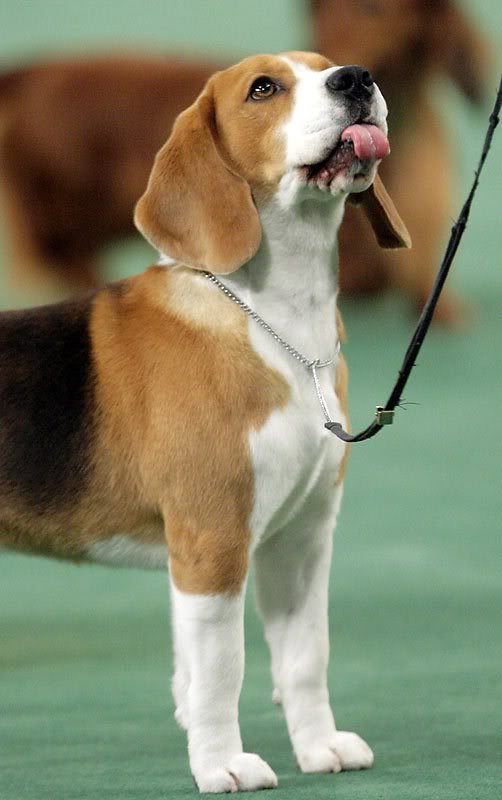
Because of the difficult terrain, the men needed to use a four-wheeler to get the dog to safety. A former beagle owner himself, Dandaraw took the dog to his own veterinarian and was prepared to provide Daisy with a new home if her owners could not be located. Happily, the dog’s distraught family was quickly identified and Daisy is back home, responding well to treatment and gaining weight steadily.

“On behalf of dog lovers everywhere, we want to express our gratitude to Ed Dandaraw, Tom Peter and Kevin McCauliffe,” commented DFNY spokesperson Mahlon Goer. “Without their quick thinking and commitment to saving her life, Daisy would have died.”

A confirmed animal lover who owns goats, chickens and a cat, Dandaraw describes himself and his hunting companions as “regular people” who didn’t hesitate when help was needed. “The day we rescued that little dog was one of the best days of my life.”

The Saratoga County Sheriff's Department is in charge of the investigation of the crime, and persons with information are asked to contact the Department at (518) 885-6761. Because Daisy’s veterinary needs have been addressed and she is recuperating well, the Dog Federation of New York suggests that dog and animal lovers wishing to make a contribution consider a donation to the local animal shelter of their choice.

About the Dog Federation of New YorkThe Dog Federation of New York is a statewide coalition of dog clubs and organizations that serves the public interest by educating citizens and legislators on responsible dog ownership and advocating for strong, and humane dog-related legislation. The Dog Federation of New York welcomes all dog owners and dog-related organizations in New York. On the web at
http://www.dogfederationofnewyork.org/

Wednesday, November 04, 2009

Recent federal decision suggests defects
in New York Ag. & Mkts. law

Provisions similar to NY law found unconstitutional

In early October, 2009 the U. S. District Court Western District in Louisville, Kentucky, struck down parts of a municipal ordinance which were substantially similar to existing New York law governing forfeiture of animals in animal cruelty cases. The federal court enjoined the City of Louisville from enforcement of §91.101 of Metro Louisville’s controversial “
Animal Ordinance”, because the forfeiture provision “threatens to deprive pet owners of their property rights without a finding of guilt (emphasis added).”

A copy of Judge Simpson’s entire Order and Memorandum Opinion is available
here. To quote his discussion of the section of the Louisville ordinance allowing animals to be seized and forfeited prior to adjudication of charges if the defendant fails to post a security bond to guarantee the cost of maintaining the animal(s) during proceedings, the court reasoned:

“It is perfectly possible for a judge to find probable cause that a person has committed an offense, but for the person to later be found innocent. Under the scheme set up [in Louisville] if a person was unable to put up $450 immediately upon the probable cause finding, his pet is forfeit and he has no apparent recourse for its recovery, even if he is ultimately found innocent of the underlying charge. There is thus a high risk of erroneous deprivation.” (emphasis added)

Does New York law support erroneous deprivation?

As was the case in Louisville, existing New York State law allows similar onerous financial requirements to be placed upon defendants at arraignment by the filing of civil petitions for security bonds requesting the cost of maintaining animals seized while charges are pending.

The relevant section of Agriculture and Markets Law Article 26, §373(6)(a), setting out seizure and subsequent forfeiture proceedings reads:

. . .[U]pon arraignment of charges the duly incorporated society for the prevention of cruelty to animals, humane society, pound, animal shelter or any authorized agents thereof, hereinafter referred to for the purposes of this section as the "impounding organization", may file a petition with the court requesting that the person from whom an animal is seized or the owner of the animal be ordered to post a security.
Note that in New York, unlike Louisville, beneficiary impounding organizations are private, not for profit corporations or authorized agents, and not a municipal agency. Forfeited property (animals) goes to the private impounding organization, not the State of New York.

Agriculture and Markets Article 26, §373(6)(b)(2) continues:


"If the court orders the posting of a security, the security shall be posted with the clerk of the Court within five business days of the hearing provided for in subparagraph one of this paragraph. The court may order the immediate forfeiture of the seized animal to the impounding organization if the person ordered to post the security fails to do so. Any animal forfeited shall be made available for adoption or euthanized subject to subdivision seven-a of section one hundred eighteen of this chapter or section three hundred seventy-four of this article.” (emphasis added)

These provisions mean that if the defendant has the money to pay the bond (often thousands and tens of thousands of dollars per month), the animal owner is disbursing money prior to discovery, pre-trial motion hearings, prior to trial, and obviously, prior to a verdict on the alleged charges.

Conversely, if the defendant does not have the finances to pay the thousands and tens of thousands of dollars per month, he will immediately forfeit his animals - his property – prior to any action being taken in his defense.

Equally disturbing is that security bond petitions are civil matters; defendants relying on a publically-provided attorney will not have the benefit of counsel during the security bond hearing, a civil matter. Public defenders represent defendants in criminal matters in New York.

Disposition of seized property in New York

Estimated costs to be born by an impounding organization with custody of seized animals are cited as justification for security bonds. In essence, New York’s forfeiture provisions make the defendant responsible for preserving the evidence – the seized animals (property). This provision is antithetical to the provisions of state law, which clearly places the onus for maintaining seized property on the courts and the agencies which have custody.

Criminal procedure law reads (emphasis added):


§ 690.55 Search warrants; disposition of seized property.
1. Upon receiving property seized pursuant to a search warrant, the court must either:

(a) Retain it in the custody of the court pending further disposition thereof pursuant to subdivision two or some other provision of law; or

(b) Direct that it be held in the custody of the person who applied for the warrant, or of the police officer who executed it, or of the governmental or official agency or department by which either such public servant is employed, upon condition that upon order of such court such property be returned thereto or delivered to another court.

Under this section of the law, the court, the search warrant applicant, police officer that executed the search warrant or the government or official agency that employs that public servant are responsible for the care of evidence once seized and in its custody. Period.

Defendants cannot be divested of their property -- property no longer in their possession -- because the cost of maintaining evidence is not being covered by the courts. This is a clear violation of the defendant’s right to due process. It is unconstitutional and must be repealed.

As an alternative to costly seizures and impoundments, Agriculture & Markets Law provides for what can be referred to as a “seize in place.” AML § 373(7) provides that animals may be left in the care of the owner, with court-ordered supervision by authorities to guarantee their welfare, pending adjudication of charges against the owner.

Erroneous deprivation here and now


Private, not-for-profit corporations acting as complainants, and ultimately as impounding organizations, benefit through their participation in New York’s pre-adjudication forfeiture proceedings because they receive either the monies from the security bonds , or the valuable animals forfeited. Such animals are transferred to the impounding organization almost immediately following the defendant’s arrest and, with little or no monetary investment from the organization, may soon be sold by the organization.

These are clear financial incentives to seizure and subsequent forfeiture of animals in New York. Consequently the troubling, corrupt pattern of pre-adjudication forfeiture is well established.


Louisville and you

In Louisville, Judge Simpson wrote that “we must hold that the portion of [the Louisville ordinance] that would permanently deprive a pet owner of his property, absent a finding of guilt, is unconstitutional.”

We believe that all responsible owners of animals share a concern for the well being of pets and livestock. Under the law, we are explicitly required to provide for their welfare and should be held accountable if we fail. However, our concerns cannot drive us to surrender the protections of our civil liberties that the U. S. and New York Constitutions afford.


We are innocent until proven guilty.